Iran: Prisoner Scheduled to Be Executed in Zahedan
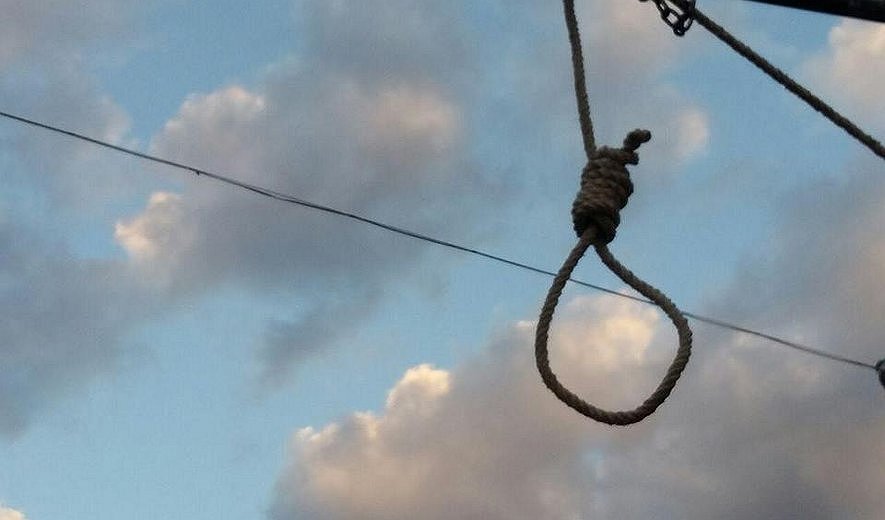
Iran Human Rights (Sep 6, 2018): One prisoner who was sentenced to death on murder charges was transferred to the solitary confinement of Zahedan Central Prison. Mehdi Sarani, who was transferred to the solitary confinement on Wednesday, returned to his cell after his execution was stopped.
According to a close source, on the morning of Thursday, September 6, a prisoner was transferred to the solitary confinement of Zahedan Central Prison. The prisoner, sentenced to death on murder charges, is identified as Rashid Sandakzehi. He spent six years in prison and was transferred to the solitary confinement from ward 4 of Zahedan Central Prison.
The prisoner was transferred to the solitary confinement once before but returned to his cell by asking for time from the plaintiffs.
Another prisoner, named Mehdi Sarani, was also transferred to the solitary confinement on Wednesday, September 5. The execution of this prisoner was stopped for unknown reasons and he returned to his cell.
Since the death penalty for murder depends on the decision of the plaintiffs, long waits accompanied by fear of execution and hope for forgiveness and sometimes transference to solitary confinement several times are some sort of psychological torture.
According to Iran Human Rights annual report on the death penalty, 240 of the 517 execution sentences in 2017 were implemented due to murder charges. There is a lack of a classification of murder by degree in Iran which results in issuing a death sentence for any kind of murder regardless of intensity and intent.
More from @ihrights
IHRNGO is building a strong civil society, through empowerment of the citizens, promoting and defending the human rights.
Latest Cartoon
Latest Report