IHR Warns About Possible Mass-Executions in Iran
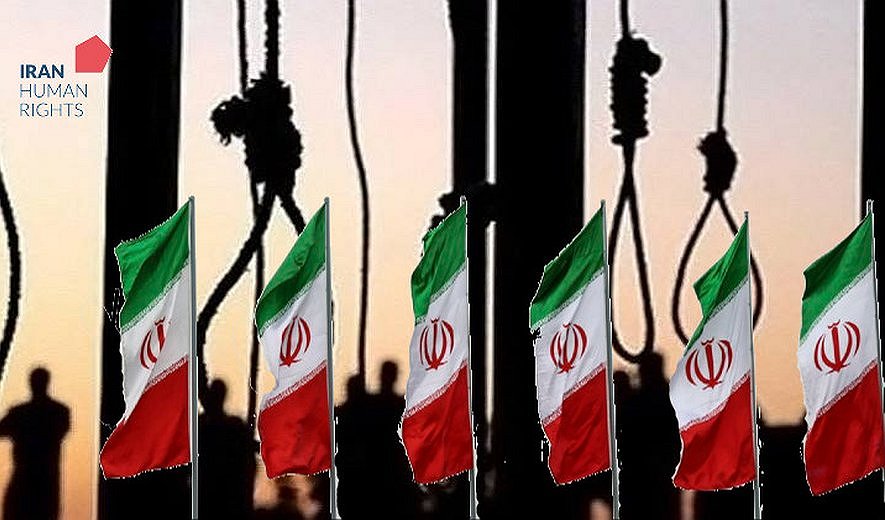
Iran Human Rights (IHR); February 1, 2020: At least 20 death-row prisoners have been transferred to the solitary confinement of Rajai-Shahr prison as a preparation for their execution. IHR urges the international community to react swiftly and properly to stop the mass executions.
Iran Human Rights (IHR) has received reports about transferring at least 20 death-row prisoners to the solitary confinement of Rajai-Shahr prison in Karaj city, near Tehran. IHR could confirm the names of seven of them.
Given the possibility of the execution of 20 prisoners during the next few hours, IHR urges the international community and human rights defenders all around the world to react swiftly and properly to stop the mass executions.
Most of the death-row prisoners have been sentenced to qisas (retribution in kind) for murder charges.
If they cannot win the plaintiffs’ consent, they will be executed on Wednesday. According to the Iranian Islamic Penal Code (IPC) murder is punishable by qisas which means “retribution in kind” or retaliation. In this way, the State effectively puts the responsibility of the death sentence for murder on the shoulders of the victim’s family. In qisas cases, the plaintiff has the possibility to forgive or demand diya (blood money).
Last week, on Sunday, January 26, five prisoners were executed at the same prison. Recently, most of the executions are carried out on Sundays at Rajai-Shahr prisons.
More from @ihrights
IHRNGO is building a strong civil society, through empowerment of the citizens, promoting and defending the human rights.
Latest Cartoon
Latest Report