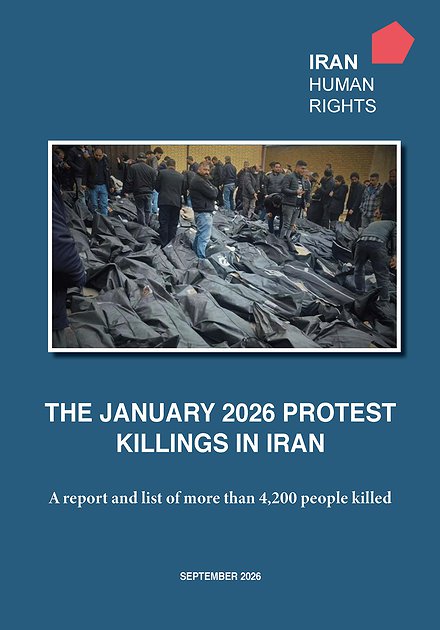
Mohammad Abbasi Fourteenth January 2026 Protester Executed; IHRNGO Warns of Continuing Political Prisoner Executions

Iran Human Rights (IHRNGO); 14 May 2026: State media reported the execution of Mohammad Abbasi, a protester arrested during the January protests. He is the fourteenth prisoner to be executed in connection with the December/January nationwide protests.
According to the official report, Mohammad's execution was carried out at the request of the victim's next of kin.
Condemning the execution of Mohammad Abbasi and 13 other protesters, IHRNGO once again warned about the continuation of the daily execution of political prisoners. Mahmood Amiry-Moghaddam, the organisation’s director, said: “At present, dozens of protesters are on death row and hundreds more are at risk of receiving death sentences. Unless the political cost of executions for the Islamic Republic is increased, we will continue to witness daily executions in the weeks and months ahead. Therefore, an immediate halt to the issuance and implementation of death sentences must be one of the central conditions of any dialogue, negotiation or agreement between the international community and the Islamic Republic.”
According to the judiciary’s Mizan News Agency, Mohammad Abbasi, a January 2026 protester, was hanged at an unspecified location on 13 May 2026. IHRNGO has established the location of his execution as Ghezelhesar Prison where he was detained.
The report stated that “the qisas sentence of Mohammad Abbasi, the killer of martyr Dehghani, was carried out following judicial proceedings and at the request of the victim’s family.” The Islamic Republic Judiciary accused Mohammad Abbasi of “killing” police officer Colonel Shahin Dehghani Kakavandi during protests in the city of Malard, Tehran province, on 6 January, and announced that he had been subjected to qisas at the request of the deceased officer’s family.
Mohammad Abbasi, a 55-year-old protester, was arrested with his daughter, Fatemeh, on 10 January. State media aired their forced confessions on 20 January and their trial on 27 January. He was sentenced to death by Branch 15 of the Tehran Revolutionary Court, presided over by “Death Judge” Salavati on 24 February. He was convicted on charges of “moharebeh (enmity against God) through aiding and abetting and cooperation with the child-killing Zionist regime, the government of the United States, and hostile groups and their affiliated agents, leading to the killing of a police officer, Colonel Shahin Dehghani Kakavandi, as a result of inflicting multiple stab wounds with a bladed weapon.” Fatemeh was sentenced to 25 years’ imprisonment.
At trial, CCTV footage where the alleged perpetrator is unidentifiable was aired as evidence of Mohammad’s presence at the scene and possession of the knife. He was also not represented by a lawyer, but was asked by the judge to defend himself. His defence was “confessions” to the alleged offence, for which he requested forgiveness. Neither reports or videos of the trial stipulate the exact charges against his daughter.
In the aired footage of the trial, the victim’s parents and wife called for qisas (retribution-in-kind), while the legal representative of FARAJA (Law Enforcement Force of the Islamic Republic of Iran), requested that the qisas be carried out publicly at the scene of the alleged crime.
According to the report published today, Mohammad was also sentenced to qisas (retribution-in-kind) for the murder, which was carried out at the request of the victim's next of kin.
The implementation of death sentences had first been largely halted following the start of US and Israeli military attacks against Islamic Republic of Iran on 28 February 2026. However, since 18 March, executions have resumed and at least 26 political prisoners, including 14 January 2026 protesters, one “Woman, Life, Freedom” protester, 11 individuals affiliated with banned opposition groups, six people charged with espionage, as well as at least eight prisoners convicted on drug-related charges and 17 convicted of murder, have been executed.
On 30 April, IHRNGO published the details of 44 protesters sentenced to death in relation to the December/January protests. Three of the protesters have been executed since the publication of the report two weeks ago.
It should be noted that the 44 names represent the absolute minimum number of protesters sentenced to death whose cases IHRNGO has been able to independently verify. Hundreds more detainees arrested in connection with the nationwide protests are facing death penalty charges and sentences.
Mahmood Amiry-Moghaddam, the director of IHRNGO, stated that the death sentences issued against protesters are “the result of grossly unfair trials in which due process was not observed and forced confessions extracted under torture were relied upon instead of credible evidence.”
Mohammad Abbasi was the fourteenth protester arrested during the January 2026 protests whose death sentence was carried out. The 13 other protesters executed in recent weeks are as follows:
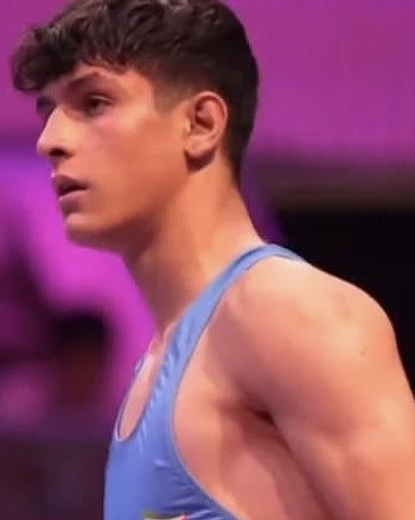 Saleh Mohammadi, an 18-year-old wrestler, was sentenced to qisas for the murder of a police officer in Qom on 8 January. Per informed IHRNGO sources, Saleh was forced to make self-incriminating confessions in the investigation phase which he later retracted in court. Despite testifying that he had made the confessions under torture and coercion, the court rejected his claim, relying on the confessions made at the reconstruction of the crime scene and “eyewitness accounts” as evidence of his conviction. He was hanged “in the presence of a group of Qom residents” on 19 March.
Saeed Davoudi, Saleh Mohammadi’s co-defendant, who would have turned 22 on 21 March 2026,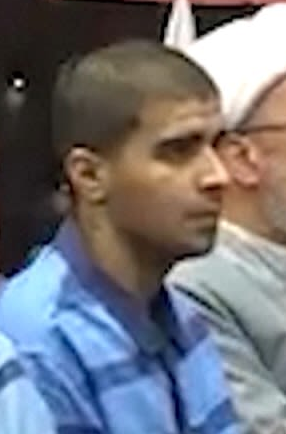 was sentenced to death on charges of “moharebeh (enmity against God) through drawing a bladed weapon during illegal gatherings and riots leading to the killing and martyrdom of law enforcement agents, operational action for the Zionist regime and the hostile US government and their affiliated agents, and inciting people to war and killing with the intent to disrupt national security.” He was hanged “in the presence of a group of Qom residents” on 19 March.
Mehdi Ghasemi was a young protester who was sentenced both to death on moharebeh charges and to qisas on charges of involvement in the killing of a law enforcement officer in the city of Qom on 8 January 2026. No further information is available about him or his case. He was hanged “in the presence of a group of Qom residents” on 19 March.
Amirho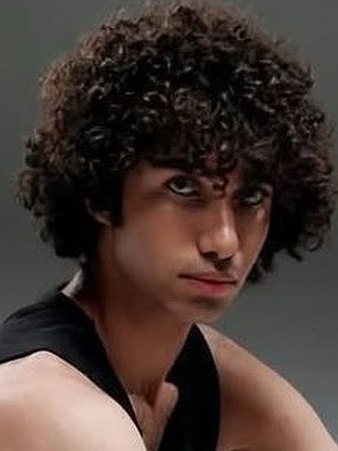 ssein Hatami, an 18-year-old protester, was arrested together with six others on 8 January 2026 on charges of attacking a Basij base in Tehran, was sentenced to death on charges of moharebeh and efsad-fil-arz (corruption on earth) based on confessions extracted under coercion. The convictions were issued despite all defendants in the case being denied access to lawyers of their own choosing and tried with court-appointed lawyers. He was executed in Ghezelhesar Prison on 2 April 2026.
M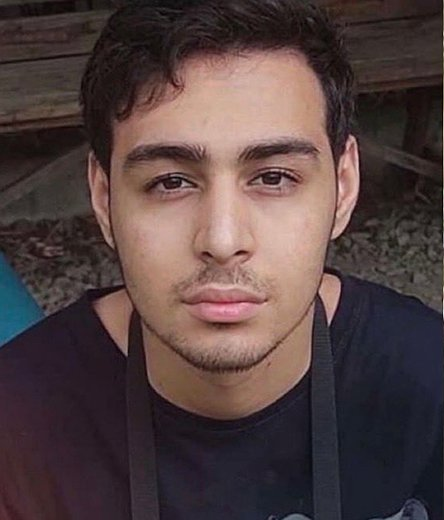 ohammadamin Biglari, a 19-year-old protester, was arrested together with six others on 8 January 2026 on charges of attacking a Basij base in Tehran, was sentenced to death on charges of “moharebeh and efsad-fil-arz based on confessions extracted under coercion. The convictions were issued despite all defendants in the case being denied access to lawyers of their own choosing and tried with court-appointed lawyers. He was a co-defendant in the same case as Amirhossein Hatami and was hanged in Ghezelhesar Prison on 5 April 2026.
Sha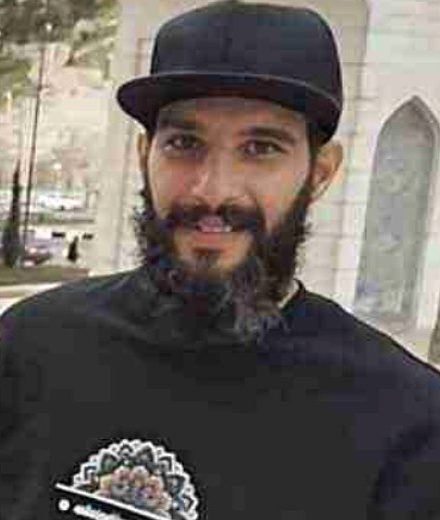 hin Vahedparast Kalour,a 30-year-old protester, was arrested together with six others on 8 January 2026 on charges of attacking a Basij base in eastern Tehran, was sentenced to death on charges of moharebeh and efsad-fil-arz based on based on confessions extracted under coercion. The convictions were issued despite all defendants in the case being denied access to lawyers of their own choosing and tried with court-appointed lawyers. He was a co-defendant in the same case as Amirhossein Hatami and Mohammadamin Biglari and was hanged in Ghezelhesar Prison on 5 April 2026.
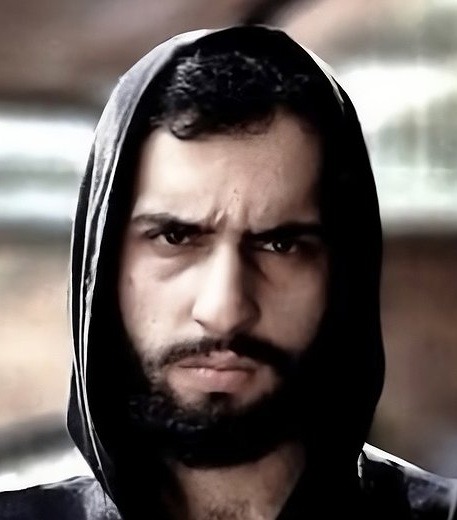 Ali Fahim, a 23-year-old protester, was arrested together with six others on 7 January 2026 on charges of attacking a Basij base in eastern Tehran, was sentenced to death on charges of “moharebeh” and “efsad-fil-arz” based on “forced confessions” extracted from him prior to trial. The convictions were issued despite all defendants in the case being denied access to lawyers of their own choosing and tried with court-appointed lawyers. He was a co-defendant in the same case as Amirhossein Hatami, Mohammadamin Biglari and Shahin Vahedparast Kalur and was executed in Ghezelhesar Prison in Karaj on 6 April 2026.
Amirali Mirjafari, was accused of “setting fire to the Gholhak Grand Mosque 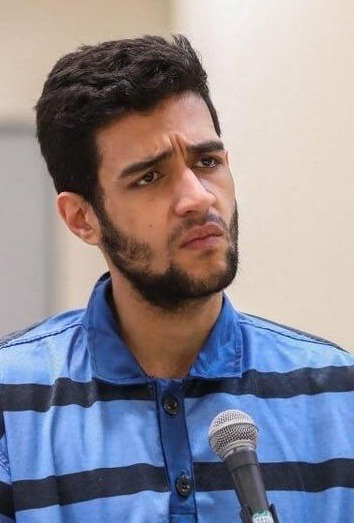 and attacking officers with a bladed weapon (a short machete)” during the January 2026 protests, as well as “leading the anti-security operations of a Mossad network in that area” in Tehran. However, no further independent information about the case is available. He was executed in Ghezelhesar Prison in Karaj on 21 April 2026.
Erfan Kiani  was arrested on 8 January 2026 and sentenced to death by the Isfahan Revolutionary Court on charges of moharebeh "through drawing a machete-type weapon with the intent to intimidate and spread fear among the public and demonstrate force, blocking streets, and deceiving and inciting people to war and killing.” He was executed at an undisclosed location in Isfahan on 25 April 2026.
Sasa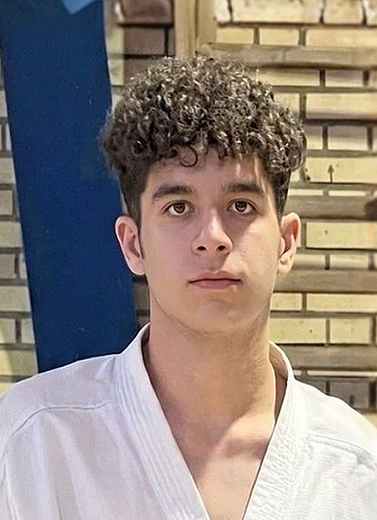 n Azadvar, a 21-year-old Kyokushin karate champion, was to death on charges of moharebeh through “throwing stones, using a club to destroy police vehicle windows, attempting to set the minibus on fire, and inciting the public to riot,” which the Revolutionary Court explicitly ruled was an act of "effective cooperation with the enemy" carried out at “the official invitation of the Zionist regime and the US president.” He was executed in Isfahan Central Prison (Dastgerd) on 30 April 2026.
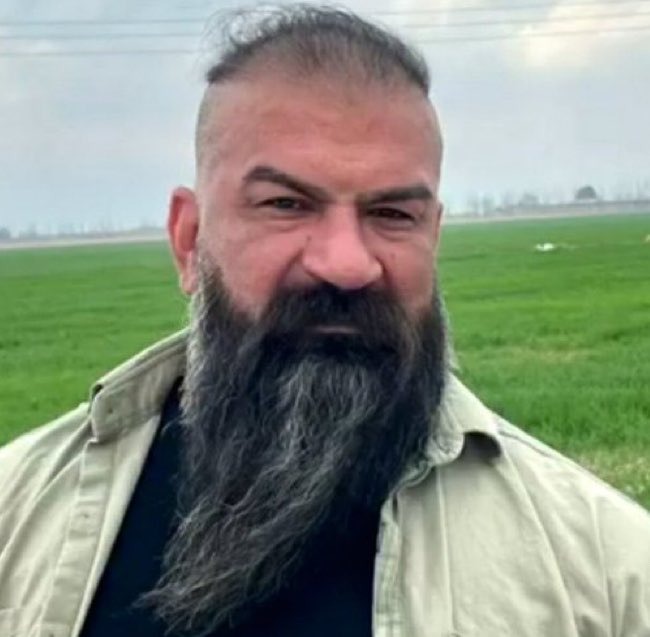 Ebrahim Dolatabadinejad, a father of two, was sentenced to death and confiscation of property on charges including “operational action for the Zionist regime and the US and their affiliated agents against national security through leading and directing rioters in the Tabarsi area of Mashhad, which led to the killing of several security forces, blocking public roads, arson and destruction of public and private property, and armed presence” during protests on 8 and 9 January. He was executed at an undisclosed location on 4 May 2026.
Mehdi Rasoul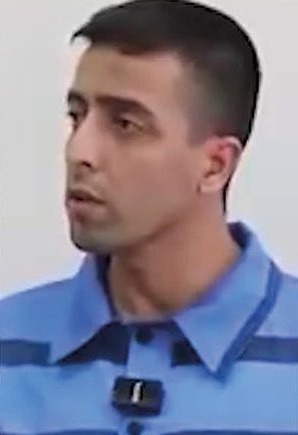 i had been accused of playing a direct role in the “martyrdom” of a security officer in Mashhad on 8 January 2026, using weapons such as knives, handmade swords and Molotov cocktails during the protests, and participating in the destruction of public property. He had been sentenced to death and confiscation of property under the “Law on Intensifying the Punishment for Espionage and Cooperation with the Zionist Regime and Hostile States Against National Security and Interests” and was executed at an undisclosed location on 4 May 2026.
Mohammadreza Miri had been accused of playing a direct role in the “martyrdom” of a security officer in 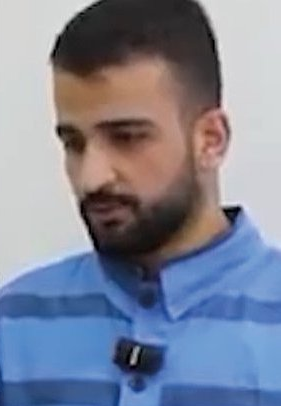 Mashhad on 8 January 2026, using weapons such as knives, handmade swords and Molotov cocktails during the protests, and participating in the destruction of public property. He had been sentenced to death and confiscation of property under the “Law on Intensifying the Punishment for Espionage and Cooperation with the Zionist Regime and Hostile States Against National Security and Interests” and was executed at an undisclosed location on 4 May 2026.
More from @ihrights
IHRNGO is building a strong civil society, through empowerment of the citizens, promoting and defending the human rights.
Latest Cartoon
Latest Report