Protesters Kaveh Arabian, Ali Daneshparvar and Esmail Ramezanpour at Risk of Execution in Yazd
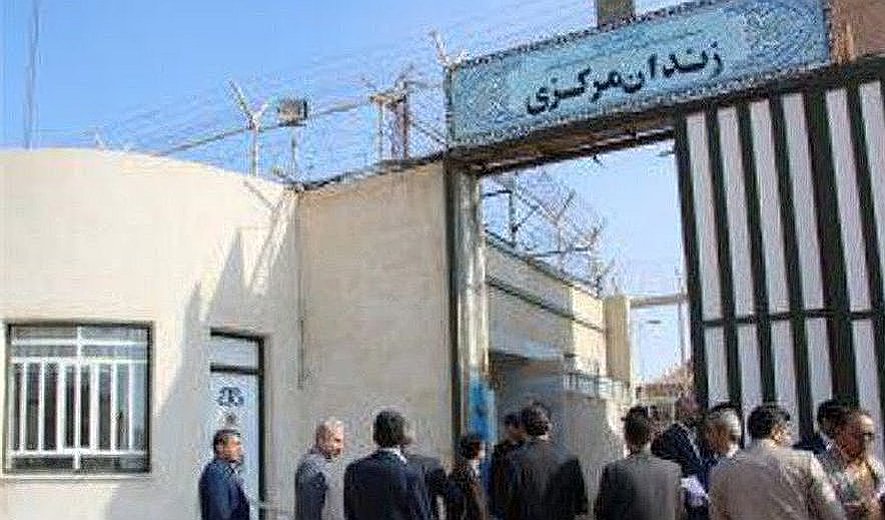
Iran Human Rights (IHRNGO); 8 January 2026: Kaveh Arabian, Ali Daneshparvar and Esmail Ramezanpour, three protesters arrested in connection with the January protests in Yazd, have been sentenced to death on charges of moharebeh (enmity against God) charges. The three protesters are at risk of execution in Yazd Central Prison.
According to information obtained by Iran Human Rights, Kaveh Arabian, Ali Daneshparvar and Esmail Ramezanpour have been sentenced to death on charges of moharebeh (enmity against God) by Branch 1 of the Yazd Revolutionary Court. The three protesters who were arrested in connection with the nationwide January protests are currently held in Yazd Central Prison.
Kaveh Arabian, a 35-year-old protester and new father, was arrested at his cousin’s home on 12 January. He was held in the custody of the Intelligence Organisation of the Islamic Revolutionary Guard Corps (IRGC) for 68 days where he was under pressure to force self-incriminating confessions. On 25 May, Kaveh was informed that he had been sentenced to death. He was accused of setting fire to public property with the intention to disrupt national security. He is currently held in the general ward of the prison.
Ali Daneshparvar, 33, was arrested on 9 January and held in the custody of the IRGC’s Intelligence Organisation for three months. He was accused of the murder of one of the security forces and intention to disrupt national security. According to informed IHRNGO sources, Ali lost both his parents and only has one sister.
Esmail Ramezanpour was arrested on 10 January. He was subjected to torture to force false confessions by the IRGC’s Intelligence Organisation where he was held for around three months. He was accused of arson and the destruction of public property with the intention to disrupt national security. Esmail’s family deny his participation in the protests and claim the charges are trumped up.
The three protesters were denied access to lawyers of their own choice. While Article 48 of Iran’s Code of Criminal Procedure grants suspects the right to request a lawyer of their choice in the pre-trial phase, a Note added to the Article in 2015, limits this right for those accused of “crimes against internal or external security” to a list of government-approved lawyers during the preliminary phase.
On 16 May, IHRNGO reported that Iran’s authorities are weaponising the government-approved lawyers to systematically facilitate and expedite the execution of protesters by submitting appeals immediately after verdicts are issued, thereby depriving defendants of the statutory 20-day appeal period. It is therefore highly probable that the death sentences issued against Kaveh Arabian, Ali Daneshparvar and Esmail Ramezanpour have already been upheld by the Supreme Court.
Since 19 March, at least eighteen people have been executed in relation to the January nationwide protests.
More from @ihrights
IHRNGO is building a strong civil society, through empowerment of the citizens, promoting and defending the human rights.
Latest Cartoon
Latest Report