Omid Moradi Hanged After 21 Years for Murder He Took the Blame for at 15 to Save Friend
Iran Human Rights (IHRNGO); 30 September 2026: Omid Moradi, who was arrested at just 16 years old after taking the blame for a murder to save his friend, has been executed in Ahvaz Sepidar Prison after spending 21 years in custody.
According to information obtained by Iran Human Rights, a man who was arrested as a child was hanged in Ahvaz Sepidar Prison on 24 May 2026. His identity has been established as Omid Moradi, born on 28 July 1988, was a native of Izeh. He was arrested in the spring of 2005 and sentenced to qisas (retribution-in-kind) for murder.
An informed source told IHRNGO: "His friend, Omid Davoodi, had committed the murder. They told Omid, who was a child at the time and understood nothing of the consequences, to step forward and say he was an accomplice so his friend would not be executed. Omid agreed. However, a few years later, his friend, the actual killer, was released from prison and immediately fled the country. The court then issued a qisas sentence against Omid due to the principal defendant's flight and Omid's initial confession."
The source added, regarding the denial of Omid's right to a fair trial: "Omid had a court-appointed lawyer. A privately retained lawyer requested one billion tomans from the family, an amount they could not afford. Omid was held in a juvenile correction and rehabilitation centre before being transferred to Ahvaz Sepidar Prison at the age of 19. He repeatedly stressed his innocence in court, stating that he had taken the blame for another person's crime, but the court rejected his statements."
Omid Moradi developed severe respiratory issues in prison and grew extremely weak and frail due to illness. In 2021, the same friend who had allegedly committed the murder and fled the country arranged for Omid's temporary medical furlough through a lawyer by posting a 15 billion toman bail bond. However, he spent only a year outside prison before being returned to serve his sentence.
At the time of writing, his execution has not been reported by domestic media or officials in Iran.
Iran is one of the few countries in the world that still carries out the death penalty for crimes committed under the age of 18. The International Covenant on Civil and Political Rights which the Islamic Republic is a signatory to, prohibits the issuance and implementation of the death penalty for crimes committed by an individual below 18 years of age.
The Convention on the Rights of the Child, which the Islamic Republic is also a signatory to, explicitly states that “Neither capital punishment nor life imprisonment without possibility of release shall be imposed for offences committed by persons below eighteen years of age.” However, the new Islamic Penal Code adopted in 2013 explicitly defines the “age of criminal responsibility” for children as the age of maturity under Sharia law, meaning that girls over 9 lunar years of age and boys over 15 lunar years of age are eligible for execution if convicted of “crimes against God” (such as apostasy) or “retribution crimes”(such as murder).
Those charged with the umbrella term of “intentional murder” are sentenced to qisas (retribution-in-kind) regardless of intent or mitigating factors due to a lack of grading in law. Once a defendant has been convicted, the victim’s family are required to choose between death as retribution, diya (blood money) or forgiveness.
Crucially, while an indicative diya amount is set by the Judiciary every year, there is no legal limit to how much can be demanded by families of the victims. IHRNGO has recorded many cases where defendants are executed because they cannot afford to pay the blood money. Should the victim’s family choose execution, they are not only encouraged to attend, but also to physically carry out the execution themselves.
According to IHRNGO’s 2025 Annual Report on the Death Penalty, at least 747 people including 48 women, were executed for murder charges, the highest number of qisas executions since 2010. Under 7% of the recorded qisas executions were announced by official sources. In 2025, IHRNGO also recorded 566 cases of families choosing diya or forgiveness instead of qisas executions.
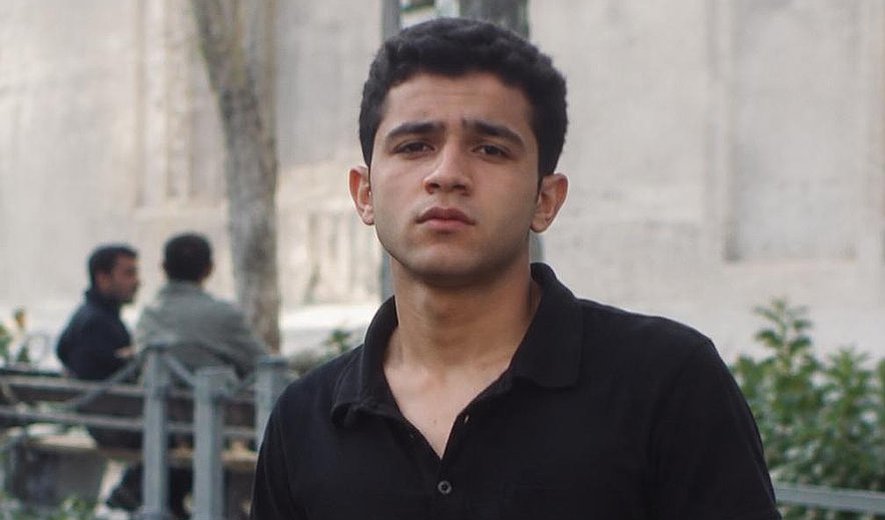
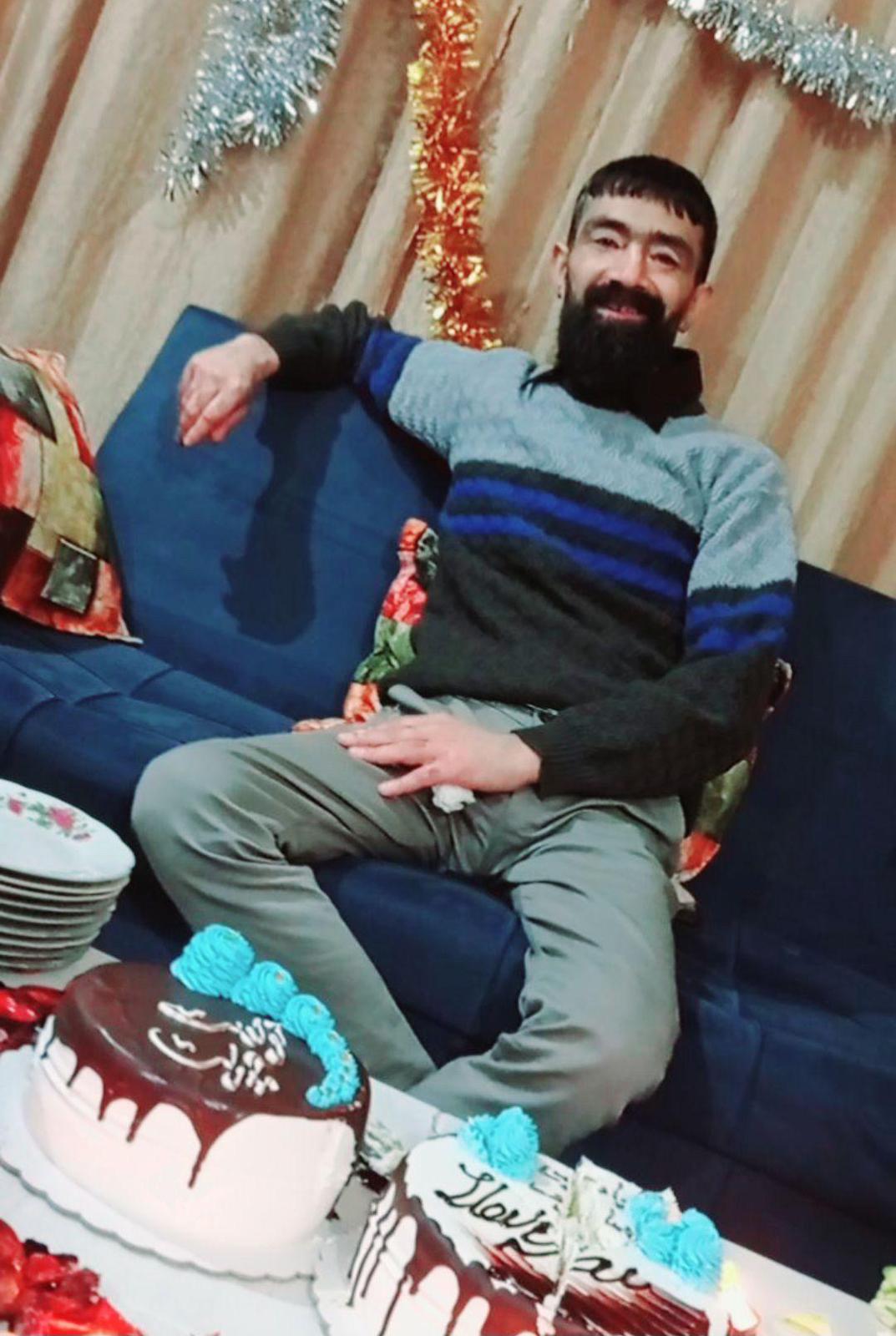
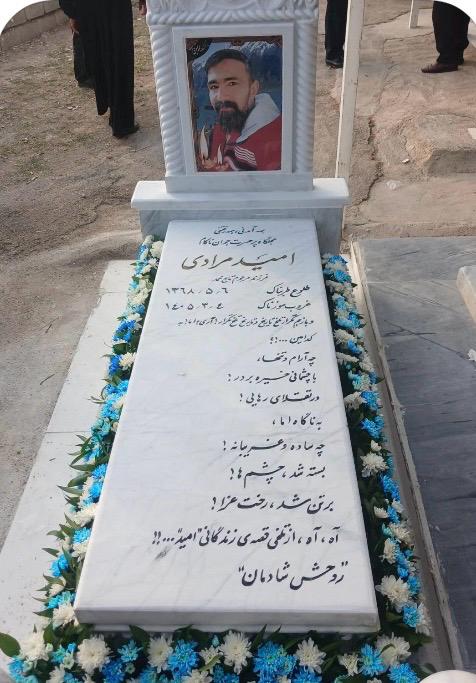
Photos in order of appearace: Omid before arrest, behind bars, on prison furlough and his gravestone.


More from @ihrights
IHRNGO is building a strong civil society, through empowerment of the citizens, promoting and defending the human rights.
Latest Cartoon
Latest Report