Mehdi Mahmoudian
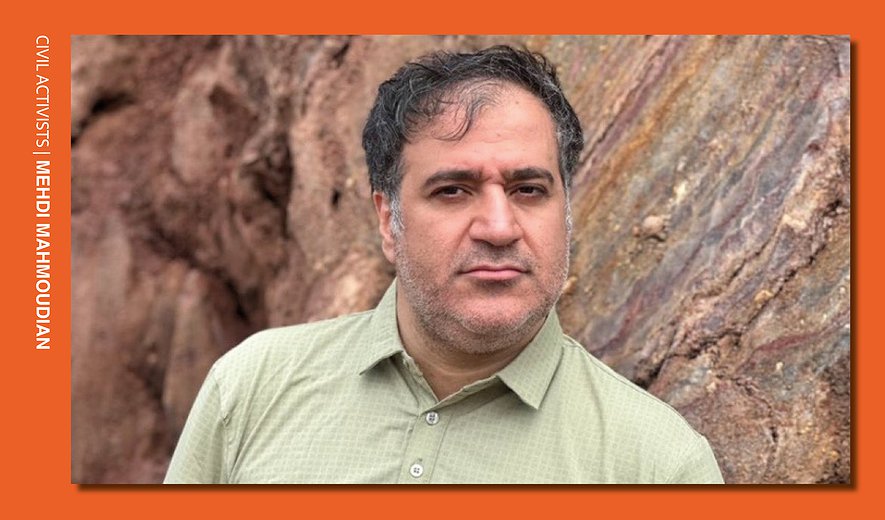
Age: 47
Activism/rights: Civil activist
Status: Released on bail
Judicial status: Subject to an open case
Violations: Arbitrary arrest and detention; lack of a fair trial and due process; denial of access to a lawyer and medical leave
Mehdi Mahmoudian is a civil activist who has been repeatedly arrested due to his disclosures regarding ill-treatment, torture, the killing of protesters and other human rights violations in Iran. During the 2009 protests, after exposing information about those killed and about the Kahrizak detention facility—a site used by the Islamic Republic to detain and torture arrested protesters—he was arrested and sentenced to five years’ imprisonment. After completing his sentence, Mahmoudian was released from prison in 2014. Mehdi was rearrested on 4 February 2020 after signing a letter protesting the suppression of the November 2019 protests and for publishing a call to light candles in solidarity with the families of those killed in the Ukrainian plane shooting. He was released on bail 12 days later.
On 22 August 2020, Branch 26 of the Revolutionary Court of Tehran sentenced Mehdi Mahmoudian to four years’ imprisonment on charges of “assembly and collusion with intent to disrupt national security” and to one year’s imprisonment on charges of “propaganda against the system”, along with a two-year ban on membership in political parties and a ban on leaving the country. This sentence was upheld on appeal.
On 14 August 2021, he, along with several human rights defenders, went to the Tehran Association for the Protection of Citizens’ Rights to file a complaint against the National Headquarters for Combating Coronavirus and Ali Khamenei, the Leader of the Islamic Republic, for mismanagement of the COVID-19 crisis. However, security agents and two judicial officials entered the meeting and arrested the complainants. In February 2022, Mehdi was sentenced to four months’ imprisonment on charges of “spreading falsehoods”, following a complaint by the Islamic Revolutionary Guard Corps regarding information he had published on his Twitter account about a critical interview concerning the IRGC’s involvement in the economy. In June 2022, Branch 29 of the Revolutionary Court of Tehran also sentenced Mehdi, in a case related to the COVID-19 crisis, to four years’ imprisonment, a two-year ban on membership in political parties, a ban on leaving the country, and four months of public service. This sentence was upheld on appeal. He was released from Evin Prison on 3 January 2024.
In February 2025, Mehdi was sentenced by Branch 26 of the Revolutionary Court to 8 months’ imprisonment on charges of “propaganda against the system” following his disclosures about bedbugs in Evin Prison, and was transferred to Evin Prison on 3 February 2025 to serve his sentence.
The next day, he began a dry hunger strike, refusing food and medication in protest against “unjust sentences and repression”. Three days later, due to deterioration in his physical condition, he was granted medical furlough and later returned to prison. Following the Israeli attack on Evin Prison, Mehdi and other political prisoners were transferred to the Greater Tehran Penitentiary in July 2025 and returned to Evin Prison in August 2025. He was released from Evin Prison on 15 September 2025 after completing his sentence. In November 2025, Mizan, the judiciary’s news agency, announced that legal proceedings had been initiated against him on charges of “spreading falsehoods regarding the the case of Mostafa Tajzadeh”.
On 31 January 2026, Mahmoudian was arrested for signing the “Statement of 17”, which described Ali Khamenei, the Leader of the Islamic Republic, as the main person responsible for the killings of protesters in January 2026. He was transferred to Noshahr Prison, where he was held alongside prisoners convicted of violent crimes and subjected to deprivation of warm clothing, inadequate food, severe restrictions on yard time and psychological pressure. He was released on bail on 17 February 2026.
More from @ihrights
IHRNGO is building a strong civil society, through empowerment of the citizens, promoting and defending the human rights.
Latest Cartoon
Latest Report