Mirzaee: Limit power before the contest for it begins
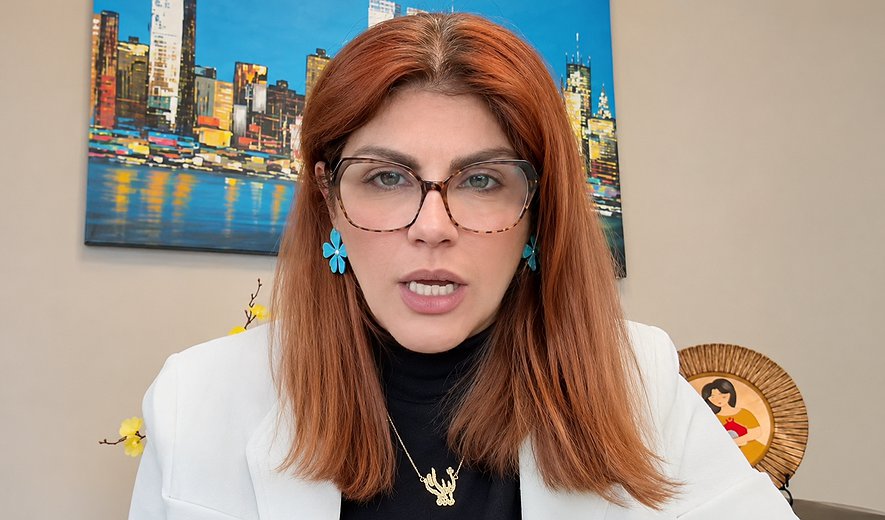
Iran’s political groups should agree on the limits of government power before they compete for it, said Shilan Mirzaee, spokesperson for the Strategic Council of Republicans inside Iran. In a recorded video message to an Oslo conference on Iran’s human rights crisis, she said: ‘The aim is to build a system in which even an elected government cannot violate citizens’ fundamental rights.’ A change of majority, even in parliament, should never allow those in power to take away the rights of individuals or minorities, she argued.
The conference, ‘Iran’s Human Rights Crisis: From Shared Principles to Joint Action’, brought representatives of political parties and organisations to Oslo on 25 and 26 September 2026. It was the sixth in the ‘Iran and the Transition from Authoritarianism’ series, launched and hosted by Iran Human Rights (IHRNGO).
The council had signed the document setting out basic human rights principles. The next question, Ms Mirzaee said, was how to enforce them. Some political groups had not attended the conference; others that might enter politics in the future had yet to be formed. The safeguards, she argued, would have to bind those groups too.
Citizens should enjoy equal legal and political rights regardless of sex, language, religious belief or lack of it, cultural identity, family background, or where they were born or lived. In the democratic, decentralised republic envisaged by the council, where people live should not determine how much say they have in decisions that affect their lives.
Political legitimacy, Ms Mirzaee said, comes from citizens voting freely and on equal terms. Neither ancestry nor historical standing should confer a claim to power. The same principle calls for the separation of religion and state: belief should have no bearing on who can hold public office or gain access to state resources.
Citizens should be free to criticise the political system, laws, officials and public policy, and to campaign peacefully for change. Peaceful protests, assemblies, sit-ins and strikes should not be treated as crimes.
Ms Mirzaee also called for people to have the right to learn their mother tongue, to be taught in it and to preserve and develop their languages and cultures. Those rights, she said, were compatible with teaching a common official language. The language a person speaks should neither confer political privilege nor limit their social, economic or political prospects.
Iran should establish the legal framework for its transition as power changes hands, Ms Mirzaee said. Leaving the task until afterwards could saddle the country with a system so flawed that Iranians would have to fight again, a few years later, to reform it.
Preserving the historical record, she added, could help prevent a return to authoritarian rule. The purpose of examining the past was to understand how abuses became possible and prevent their recurrence. Settling scores or replacing one official account with another would defeat that purpose.
Translated from Farsi via machine translation and lightly edited for clarity.
More from @ihrights
IHRNGO is building a strong civil society, through empowerment of the citizens, promoting and defending the human rights.
Latest Cartoon
Latest Report